

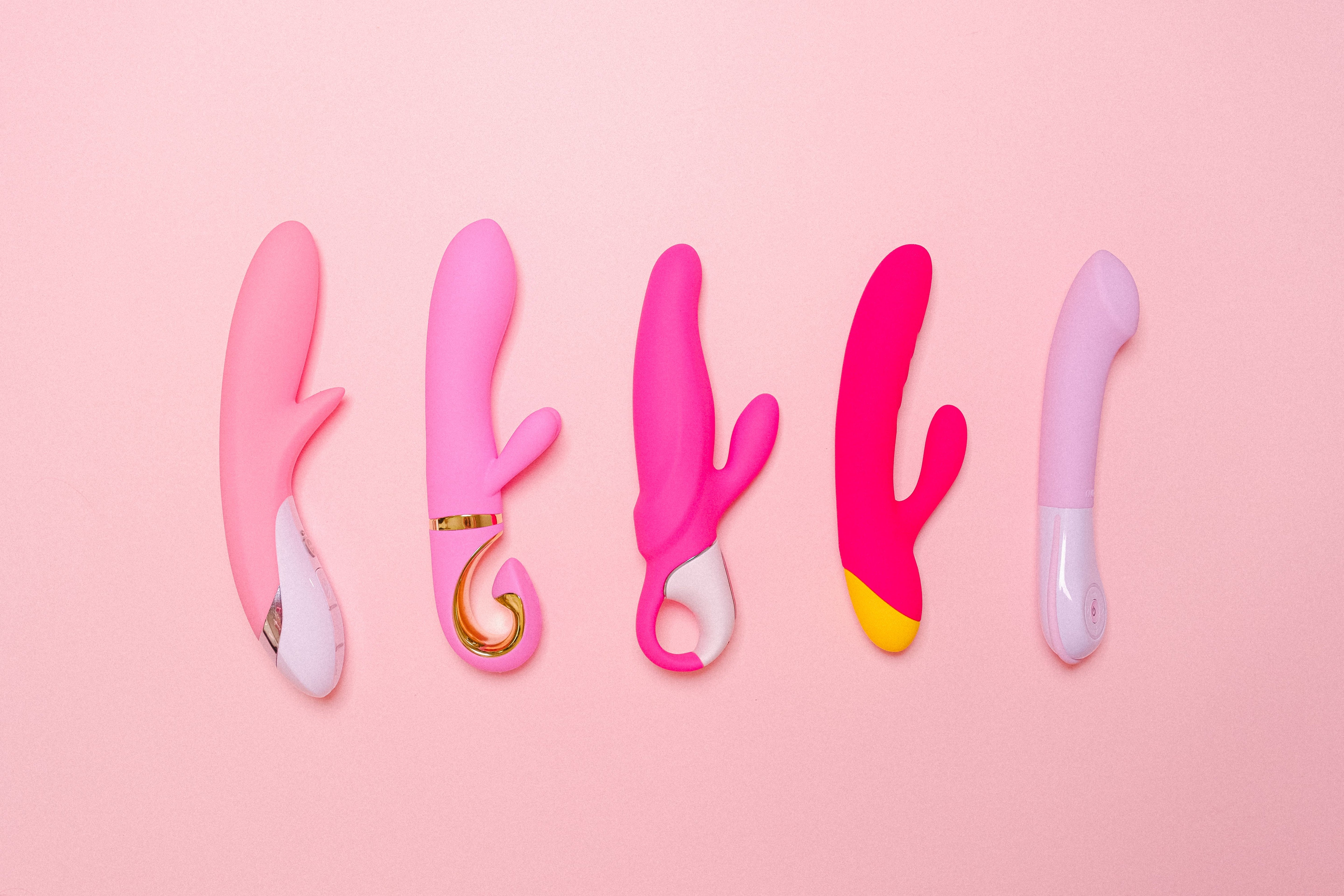
Why Material Safety Matters
Not all intimate products are created equal. The materials used in adult toys directly impact your health, comfort, and longevity of the product. Understanding which materials are body-safe and which to avoid is one of the most important things you can do for your intimate wellness.
Body-Safe Materials
Medical-Grade Silicone
The gold standard for intimate products. Medical-grade silicone is non-porous, hypoallergenic, phthalate-free, and odorless. It does not harbor bacteria, is easy to clean, and is compatible with water-based lubricants. Look for products labeled 100% medical-grade or body-safe silicone not simply "silicone," which can be blended with other materials.
Stainless Steel
Non-porous, hypoallergenic, and incredibly durable. Stainless steel toys can be fully sterilized and are compatible with all lubricant types. They retain temperature well, making them ideal for temperature play. Ensure the product is made from surgical-grade stainless steel (304 or 316).
Borosilicate Glass
Body-safe glass is non-porous, smooth, and easy to sterilize. It is compatible with all lubricants and excellent for temperature play. Always inspect glass toys before use discard any product with chips, cracks, or scratches.
ABS Hard Plastic
A rigid, non-porous plastic that is phthalate-free and body-safe. Commonly used in vibrator casings and external stimulators. ABS plastic cannot be fully sterilized but is easy to clean with soap and water or a toy cleaner.
Ceramic
Body-safe ceramic is non-porous, smooth, and hypoallergenic when properly glazed. Like glass and steel, it is excellent for temperature play and easy to clean.
Materials to Avoid
PVC and Vinyl
Often found in inexpensive toys, PVC and vinyl frequently contain phthalates chemical plasticizers linked to hormonal disruption and skin irritation. These materials are porous, meaning bacteria and mold can become trapped inside even after cleaning.
Rubber and Latex
Natural rubber and latex are porous and can harbor bacteria. They also pose a significant risk for those with latex allergies. Many rubber toys contain phthalates and other harmful additives. If you must use a rubber toy, always cover it with a condom.
Jelly
Jelly toys are among the most problematic. They are highly porous, almost always contain phthalates, and have a strong chemical odor. They cannot be properly sanitized and degrade over time, releasing chemicals onto the skin. Avoid entirely.
"Cyberskin" and Realistic-Feel Materials
Materials marketed as Cyberskin, UR3, or "realistic skin" are porous blends that are difficult or impossible to fully clean. They require cornstarch to maintain texture and degrade quickly. If used, always pair with a condom and replace frequently.
Cleaning Tips by Material
Proper cleaning after every use is non-negotiable for preventing bacterial buildup, yeast, and infection.
Medical-Grade Silicone (non-motorized)
- Boil in water for 3–5 minutes, or
- Run through the top rack of a dishwasher (no detergent), or
- Wipe with a 10% bleach solution, then rinse thoroughly
- For motorized silicone toys: wash with warm water and unscented antibacterial soap do not submerge the motor
Stainless Steel & Borosilicate Glass
- Boil for 3–5 minutes, or
- Wipe with a 10% bleach solution and rinse, or
- Run through the dishwasher (top rack, no detergent)
- Always inspect glass for cracks before and after cleaning
ABS Hard Plastic
- Wash with warm water and unscented antibacterial soap
- Use a dedicated toy cleaner spray
- Do not boil or use bleach this can damage the surface
Porous Materials (if you must use them)
- Wash with warm water and mild soap after every use
- Always use a condom over the toy to create a barrier
- Replace frequently porous toys cannot be fully sanitized
General Cleaning Best Practices
- Clean before and after every use even new toys should be washed before first use
- Use unscented, gentle soap fragrances and harsh chemicals can irritate sensitive skin
- Dry thoroughly before storing, moisture encourages bacterial and mold growth
- Store separately in a breathable pouch or dedicated case, avoid storing toys touching each other, as some materials can react and degrade
- Check for damage regularly cracks, chips, or sticky textures are signs a toy should be replaced
The Bottom Line
Investing in body-safe materials is investing in your health. At Sable Secrets, every product in our collection is selected with material safety in mind. When in doubt, choose medical-grade silicone, stainless steel, or borosilicate glass and always clean thoroughly after every use.
Share:
The Complete Guide to Prostate Massagers: What They Are, How to Use Them & How to Choose the Right One
Top Pleasure Tricks to Get the Most Out of Your Sex Toys